Rune Guide
Every rune of the Elder Futhark, upright and reversed: what it means in general, in love and at work, its rune poem, its history and its shadow.
What are rune stones?
The Elder Futhark is the oldest known runic alphabet, used by Germanic peoples of northern and central Europe from about AD 150 to 800. Each of its 24 signs carries both a sound and a meaning, and they fall into three families of eight (aettir).
Freyr & Freyja's aett speaks of the material world and daily life, Heimdall's of trials and transformation, and Tyr's of justice and spiritual maturity.
Nine runes (Gebo, Hagalaz, Nauthiz, Isa, Jera, Eihwaz, Sowilo, Ingwaz, Dagaz) are symmetrical and never appear reversed. Each rune is also linked to one of the four classical elements (Fire, Earth, Air, Water), which helps when choosing runes that complement each other in a talisman.
Some modern sets add a 25th, blank rune. It appears in no ancient inscription or rune poem; it is a 1982 invention by Ralph Blum. The Elder Futhark has 24 signs, and AskRune stays true to that.
The 24 runes
Freyr & Freyja's Aett
The material world and daily life
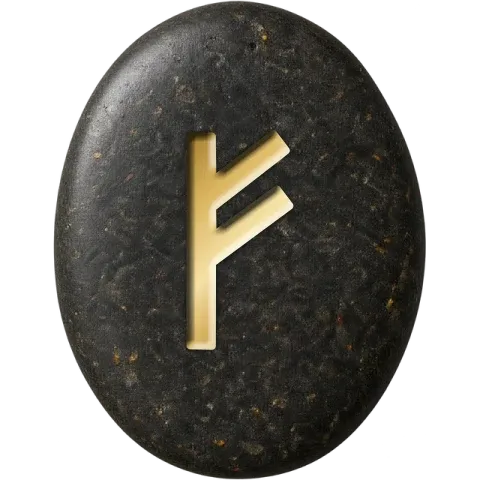 FehuCattle
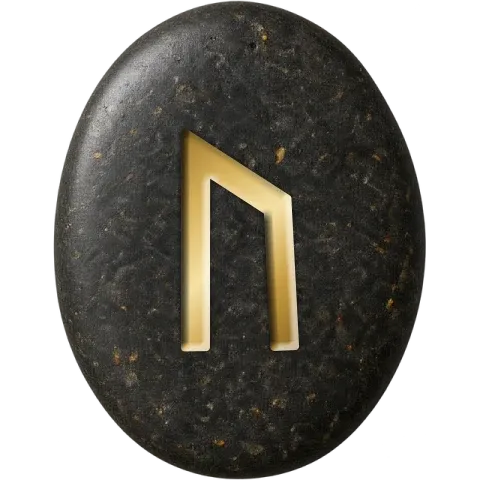 UruzAurochs
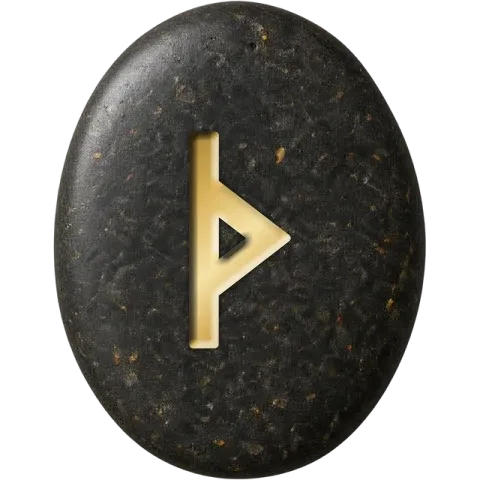 ThurisazGiant
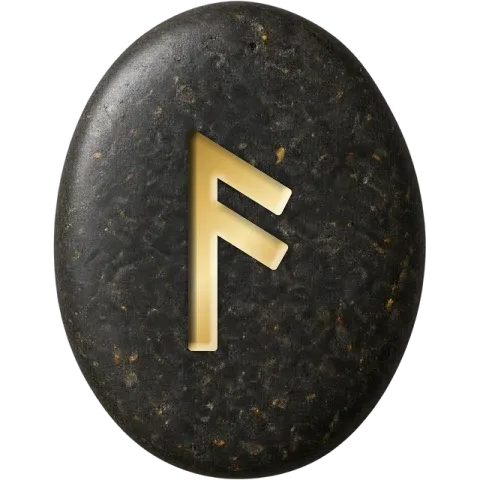 AnsuzMouth
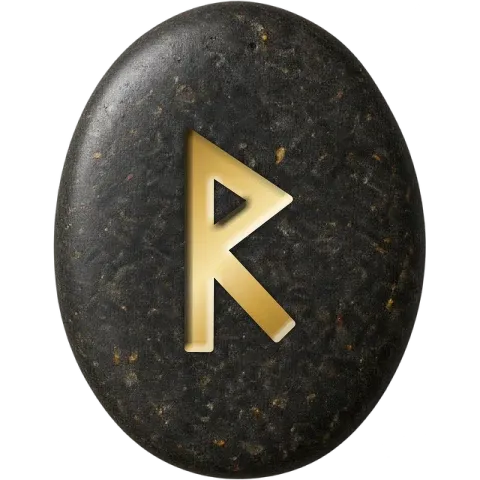 RaidhoWagon
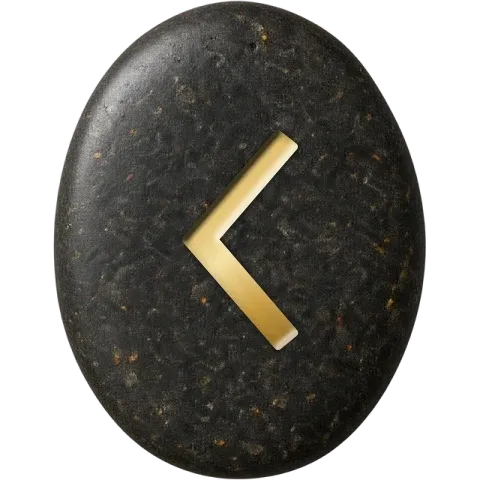 KenazTorch
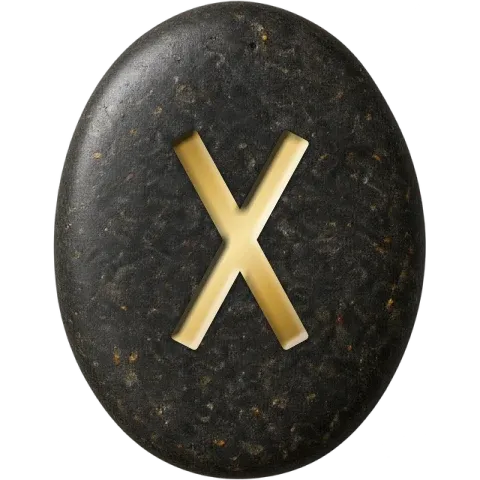 GeboGift
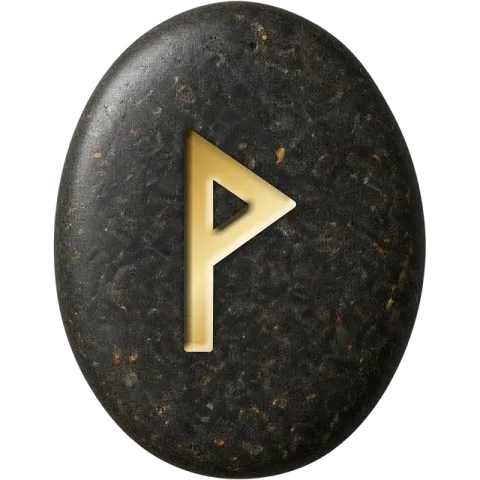 WunjoJoy
Heimdall's Aett
Trials and transformation
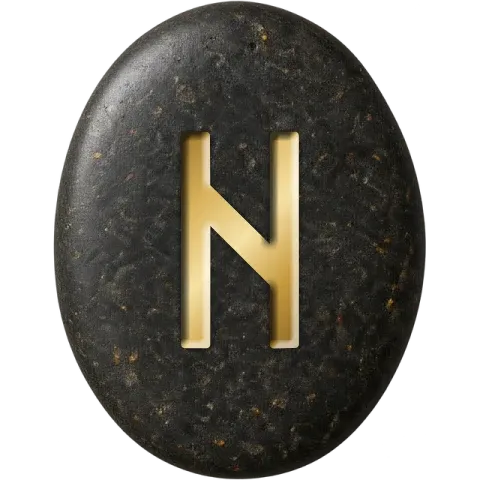 HagalazHail
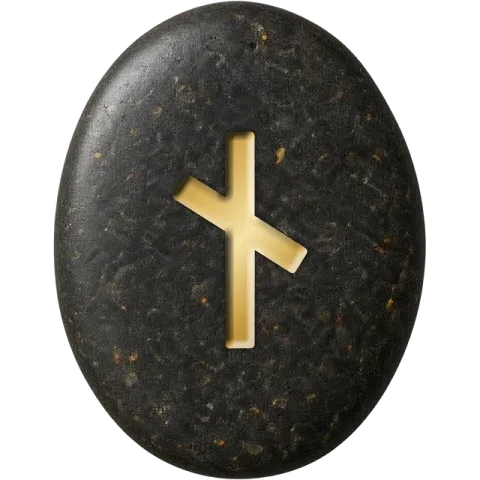 NauthizNeed
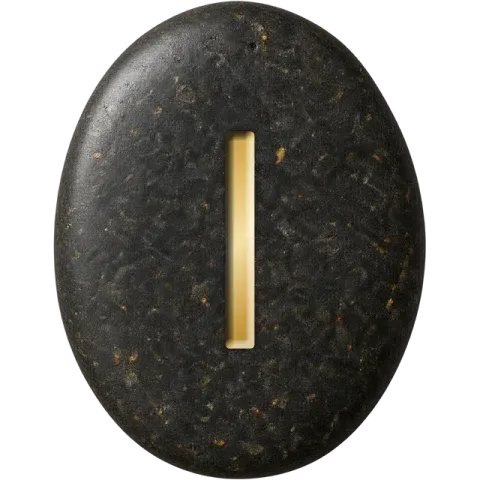 IsaIce
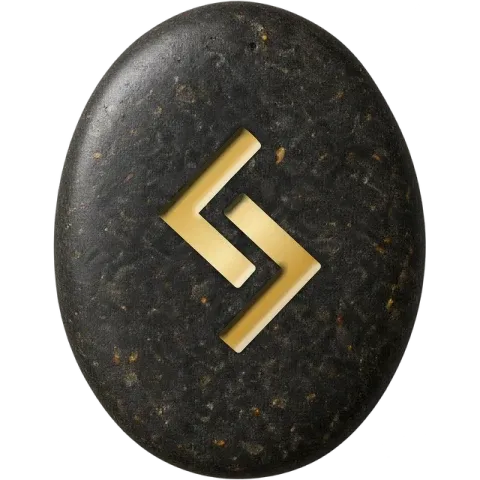 JeraYear
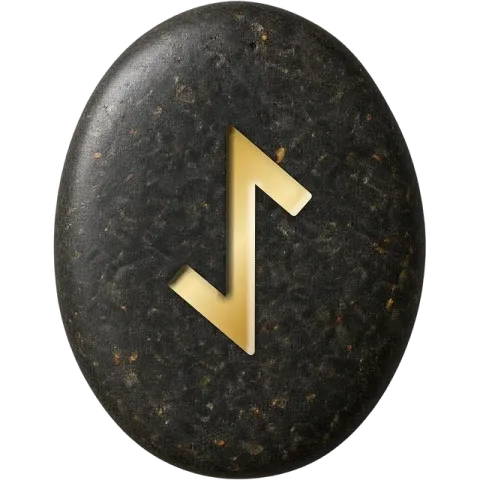 EihwazYew Tree
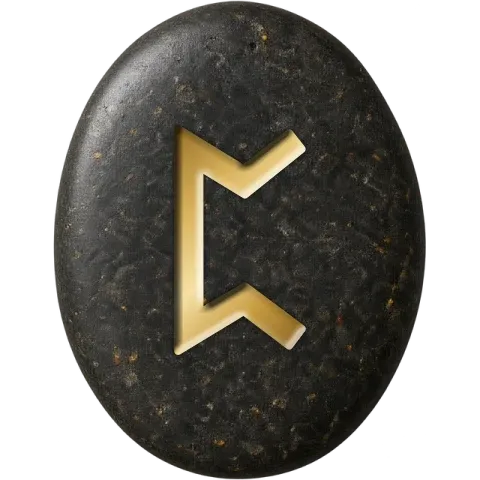 PerthroDice Cup
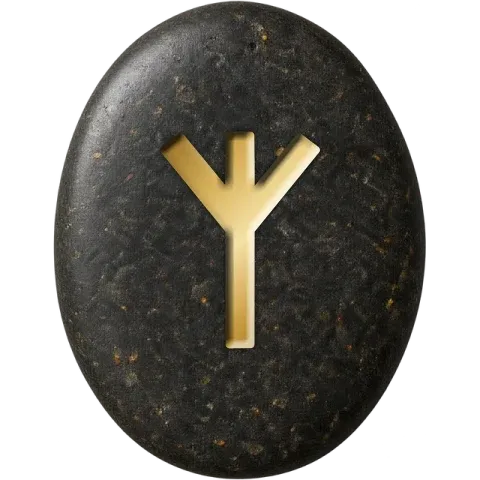 AlgizElk
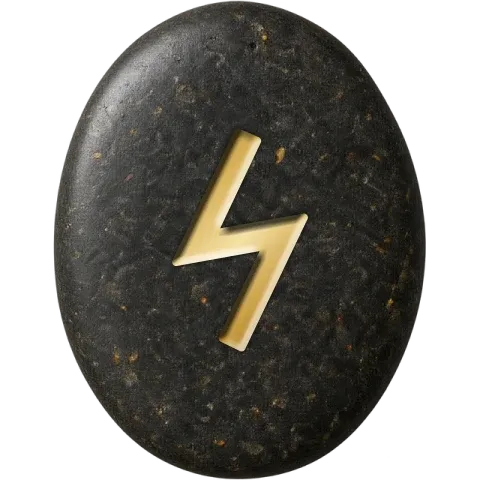 SowiloSun
Tyr's Aett
Justice and spiritual maturity
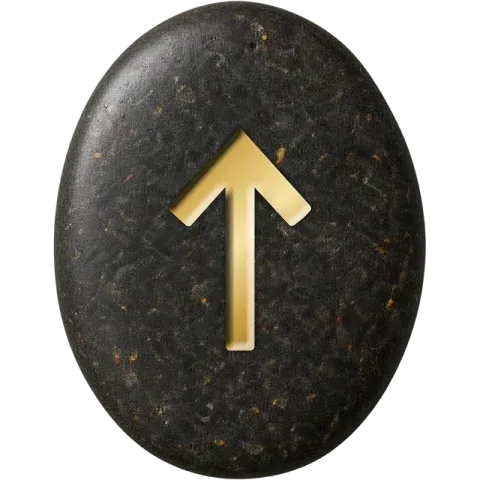 TiwazThe God Tyr
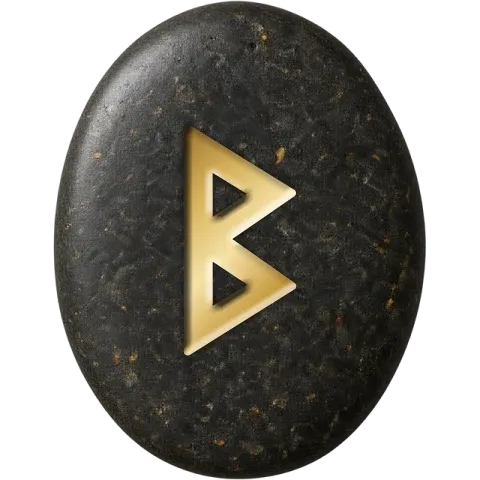 BerkanoBirch Tree
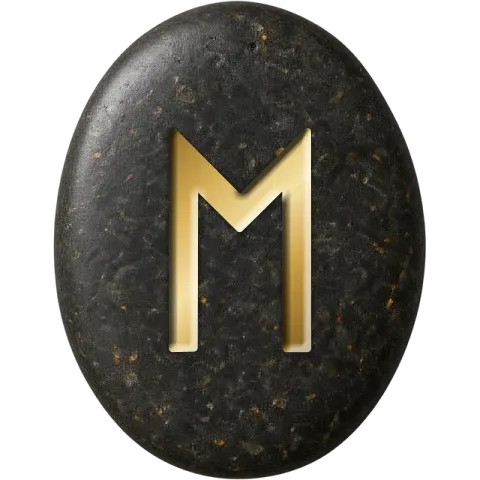 EhwazHorse
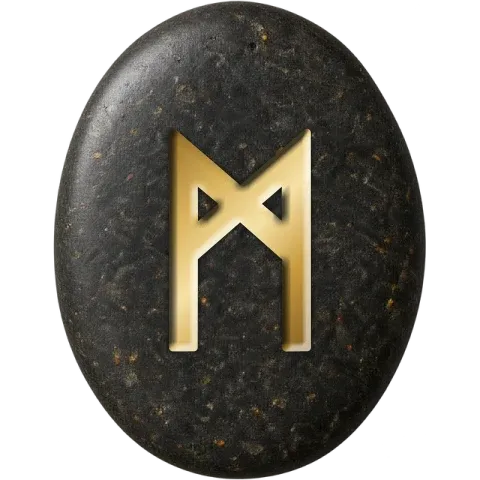 MannazHumankind
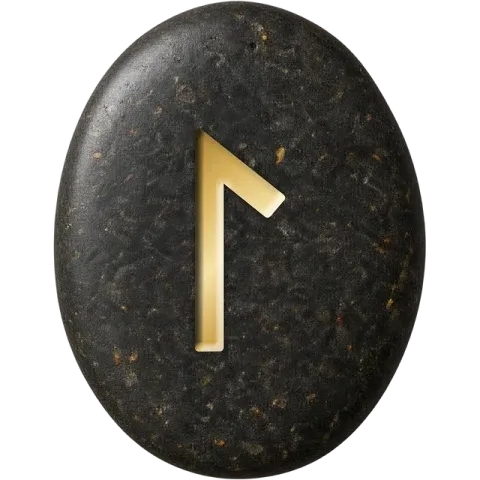 LaguzWater
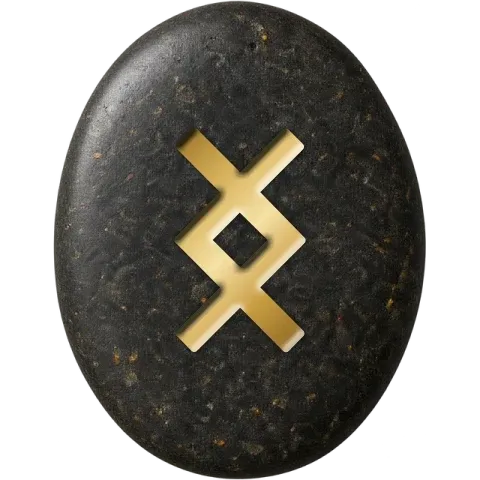 IngwazSeed
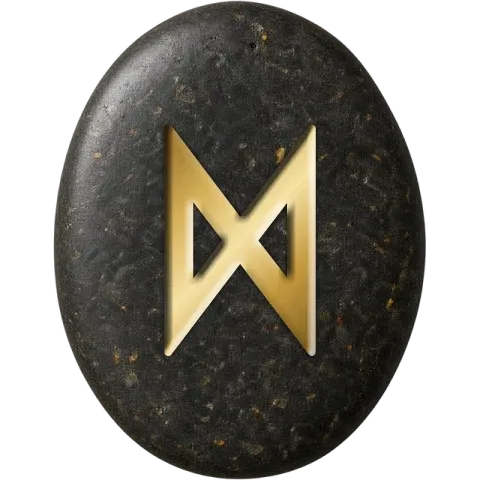 DagazDay
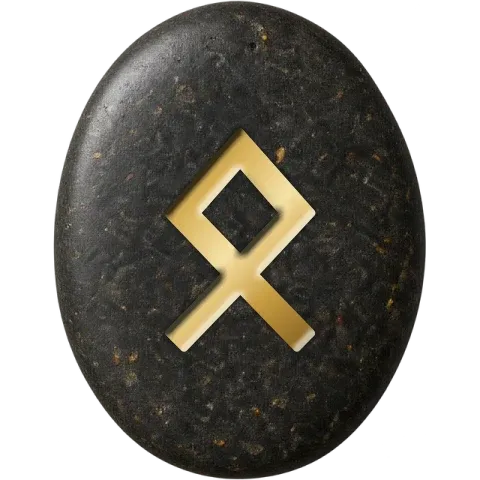 OthalaAncestral Land
This guide draws on historical sources and modern rune literature, written in our own words. What is attested and what is modern interpretation are kept apart.